
One method to pay down debt that hasn’t reached the collection stage.
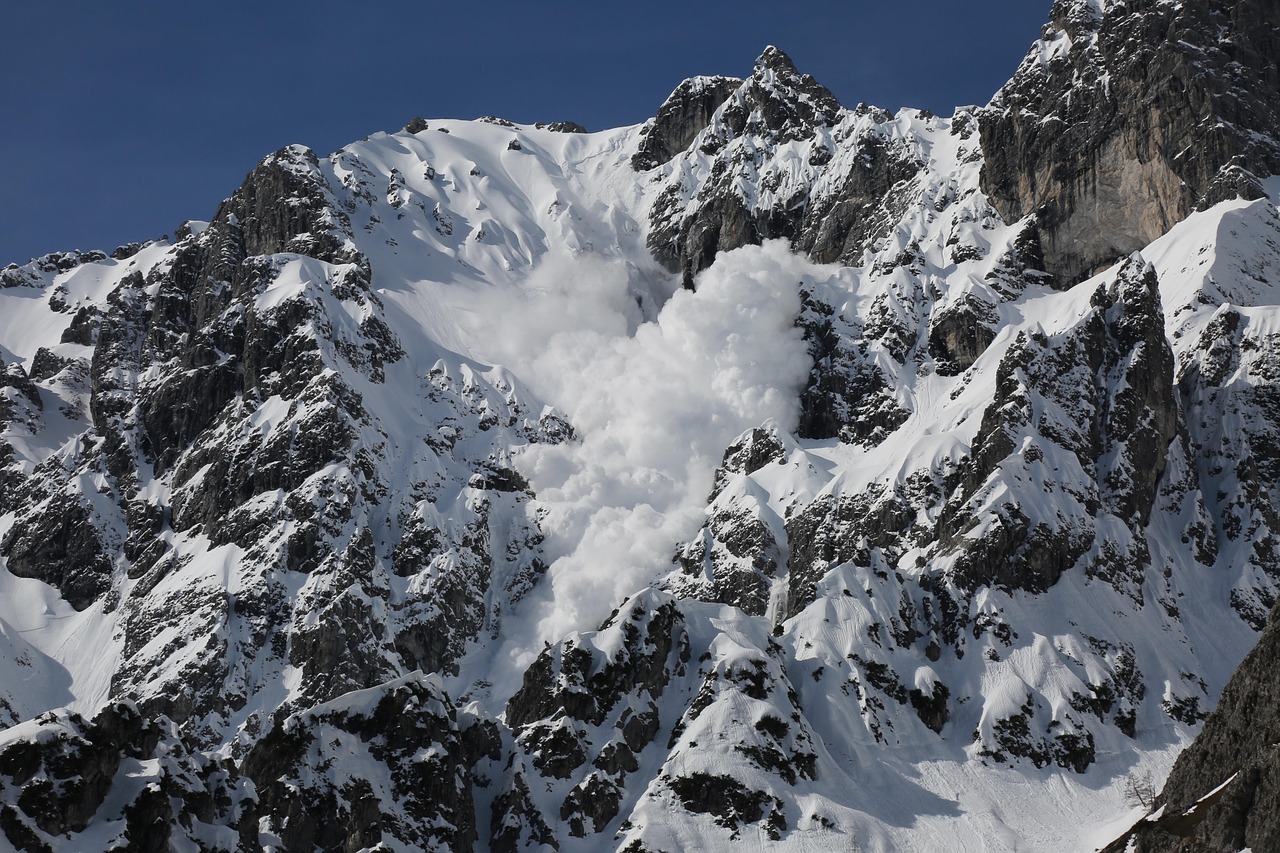
When you’re serious about getting out of debt and saving as much money on interest as possible, the Debt Avalanche Method is the most financially efficient path. While the snowball method focuses on quick psychological wins, the avalanche method focuses purely on math and efficiency, ensuring you pay the least amount of interest over the life of your debt.
Here is an easy-to-understand guide on using the debt avalanche method to systematically pay off your debts before they reach collections.
Part 1: Understanding the Debt Avalanche Method
The debt avalanche method involves paying off your debts in order of their interest rates, from highest to lowest. By targeting the debt that is costing you the most money first, you minimize the total interest you pay over time, which means you become debt-free faster and save more money in the long run.
Why It Works (The Math)
The avalanche method is mathematically superior to any other paydown strategy.
- Maximum Savings: High-interest debt is like a fire hose of money going out of your pocket. The avalanche method shuts that hose off first, saving you thousands in interest compared to paying off a low-interest car loan or student loan first.
- Efficiency: Because you save so much interest, your overall journey to debt freedom is quicker.
Who is the Avalanche Method For?
This method is ideal for disciplined individuals who:
- Have multiple debts with widely varying interest rates.
- Are highly motivated by logic and numbers rather than quick psychological wins.
- Can stay the course even if the first debt takes a long time to pay off.
Part 2: Your Action Plan – The 5 Steps to Avalanching Your Debt
Following the debt avalanche method is simple in structure, but requires discipline in execution.
Step 1: List All Your Debts
Gather all your debt information (credit cards, student loans, car loans, personal loans, etc.). Create a list that includes:
- The creditor’s name
- The current balance owed
- The minimum monthly payment
- The interest rate (APR)
Step 2: Order Your Debts from Highest to Largest Interest Rate
This is the most important step of the avalanche method. This time, ignore the balance owed and focus purely on the interest rate. Rank your debts from the highest APR to the lowest APR.
Example Debt List:
| Creditor | Balance Owed | Minimum Payment | Interest Rate (APR) | Rank |
|---|---|---|---|---|
| Credit Card B | $500 | $25 | 22% | 1 |
| Credit Card A | $2,500 | $60 | 18% | 2 |
| Student Loan | $10,000 | $100 | 6% | 3 |
| Car Loan | $15,000 | $250 | 5% | 4 |
Your target is that Rank 1 debt: the 22% APR Credit Card B.
Step 3: Make Minimum Payments on Everything Except the Highest-Interest Debt
You must continue to make the minimum required payment on all your debts to avoid late fees and keep your accounts in good standing. This ensures your credit score isn’t damaged while you aggressively pay down debt.
- Credit Card A: $60 (Minimum)
- Student Loan: $100 (Minimum)
- Car Loan: $250 (Minimum)
Step 4: Attack the Highest-Interest Debt with Everything Extra You Have
Find every extra dollar you can in your budget and throw it at that debt with the highest interest rate. The goal is to eliminate the most expensive debt first.
- Find Extra Money: You need to free up cash flow. Cut expenses dramatically, pause discretionary spending, look for ways to increase your income with a side job, or sell non-essentials.
- The “Attack Payment”: Let’s say you found an extra $200 in your budget. Your payment on Credit Card B would be your minimum payment ($25) plus your extra $200, for a total of $225 per month.
By putting $225 a month toward a $500 debt with a 22% APR, you’ll pay it off quickly and save a good amount of interest in just over two months.
Step 5: Repeat the Process (The Avalanche Falls)
Once your highest-interest debt is paid off, you take the entire amount you were paying on it ($225 in our example) and add it to the minimum payment of your next highest-interest debt (Credit Card A, with an 18% APR).
The New Attack Payment (Credit Card A):
- Original Minimum Payment: $60
- Added from the first debt: +$225
- New Total Payment: $285 per month
You are now aggressively attacking your second most expensive debt with $285 every month. This payment is far higher than the minimum required, allowing you to pay it down quickly and save significant interest.
When Credit Card A is paid off, you take that full $285 payment and add it to the minimum payment for the Student Loan (6% APR).
The Next Attack Payment (Student Loan):
- Original Minimum Payment: $100
- Added from previous debts: +$285
- New Total Payment: $385 per month
The amount you are paying each month keeps increasing, while the average interest rate of your remaining debt keeps dropping. This is how you optimize your payments for speed and savings.
Part 3: Tips for Success and Common Questions
Focus on Discipline
The avalanche method requires self-discipline, especially if your highest interest debt is a large one that takes several months or a year to pay off. You might not get that quick psychological win, but you will see the total interest saved stack up over time.
Automate Your Payments
Set up automatic payments for all minimums and your “attack payment.” This ensures you never miss a due date and stay consistent with your plan.
Don’t Accumulate New Debt
During this process, avoid taking on any new debt. Focus all your energy on eliminating what you already have.
The Snowball vs. Avalanche Debate
Which method is better?
- Avalanche: Saves the most money in interest and gets you debt-free faster mathematically.
- Snowball: Builds motivation through quick wins and helps people stick with the plan psychologically.
Choose the method that works best for your personality. The most important thing is to pick a method and stick with it until you are completely debt-free.